SPC


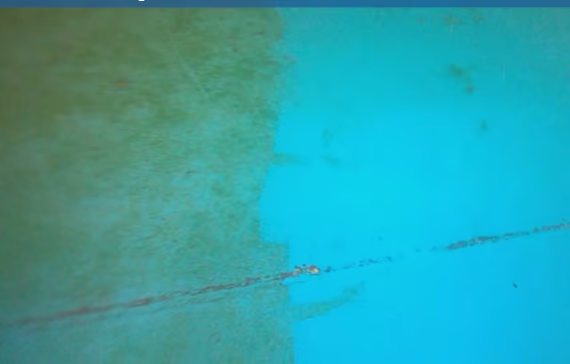
 2 weeks of slime growth

A clean hull is the most powerful lever in maritime decarbonisation. It reduces fuel consumption, lowers Scope 1 emissions, and protects your vessel’s CII rating.
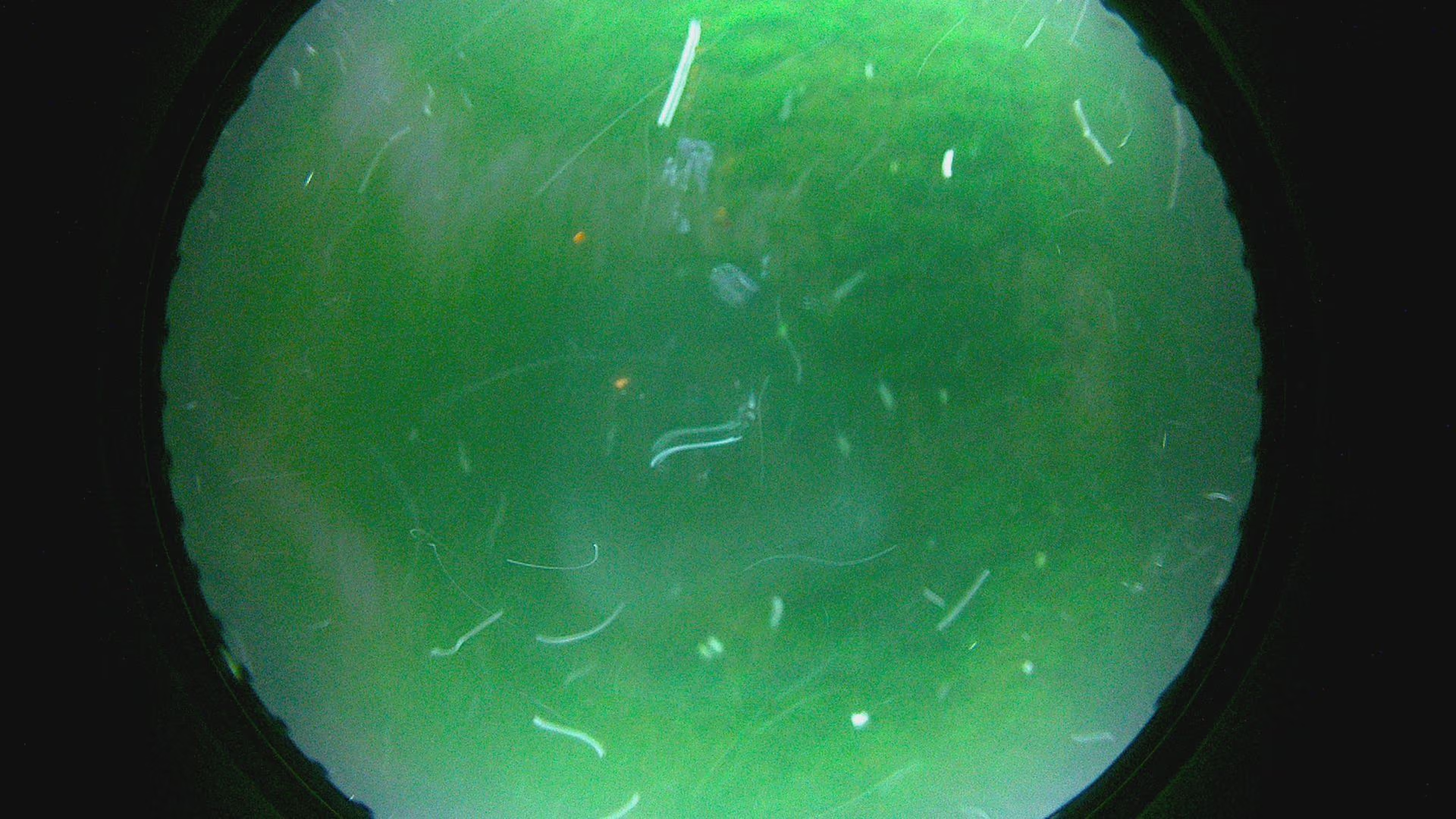
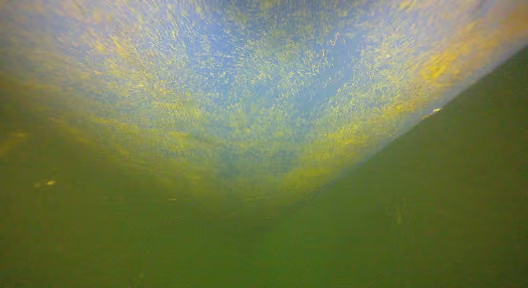
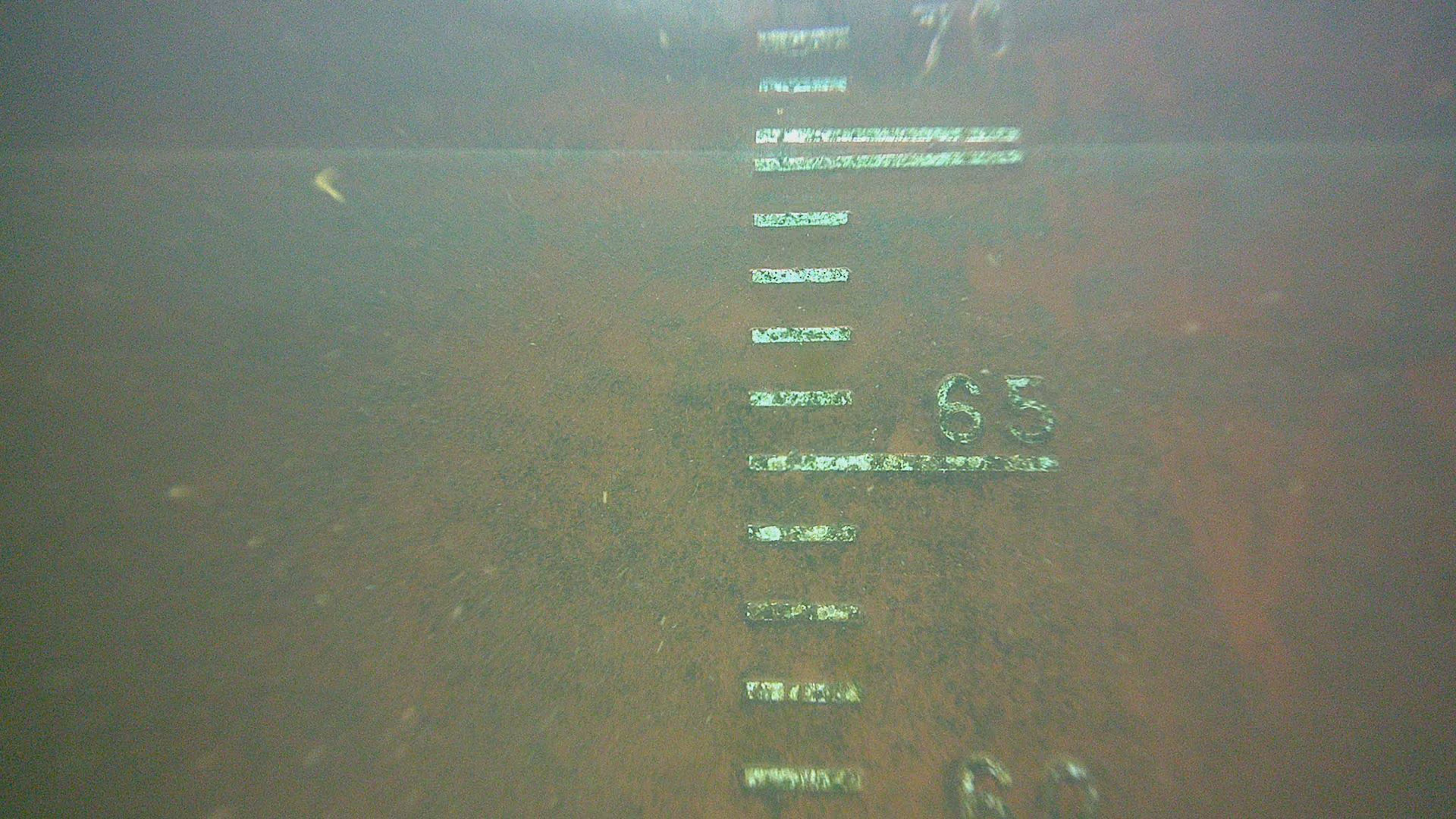
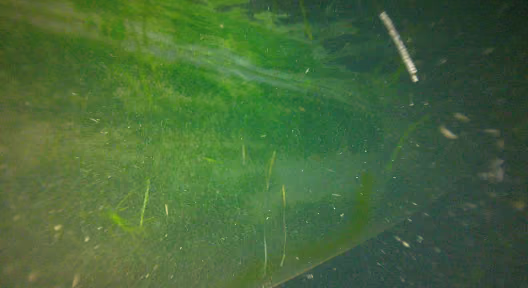

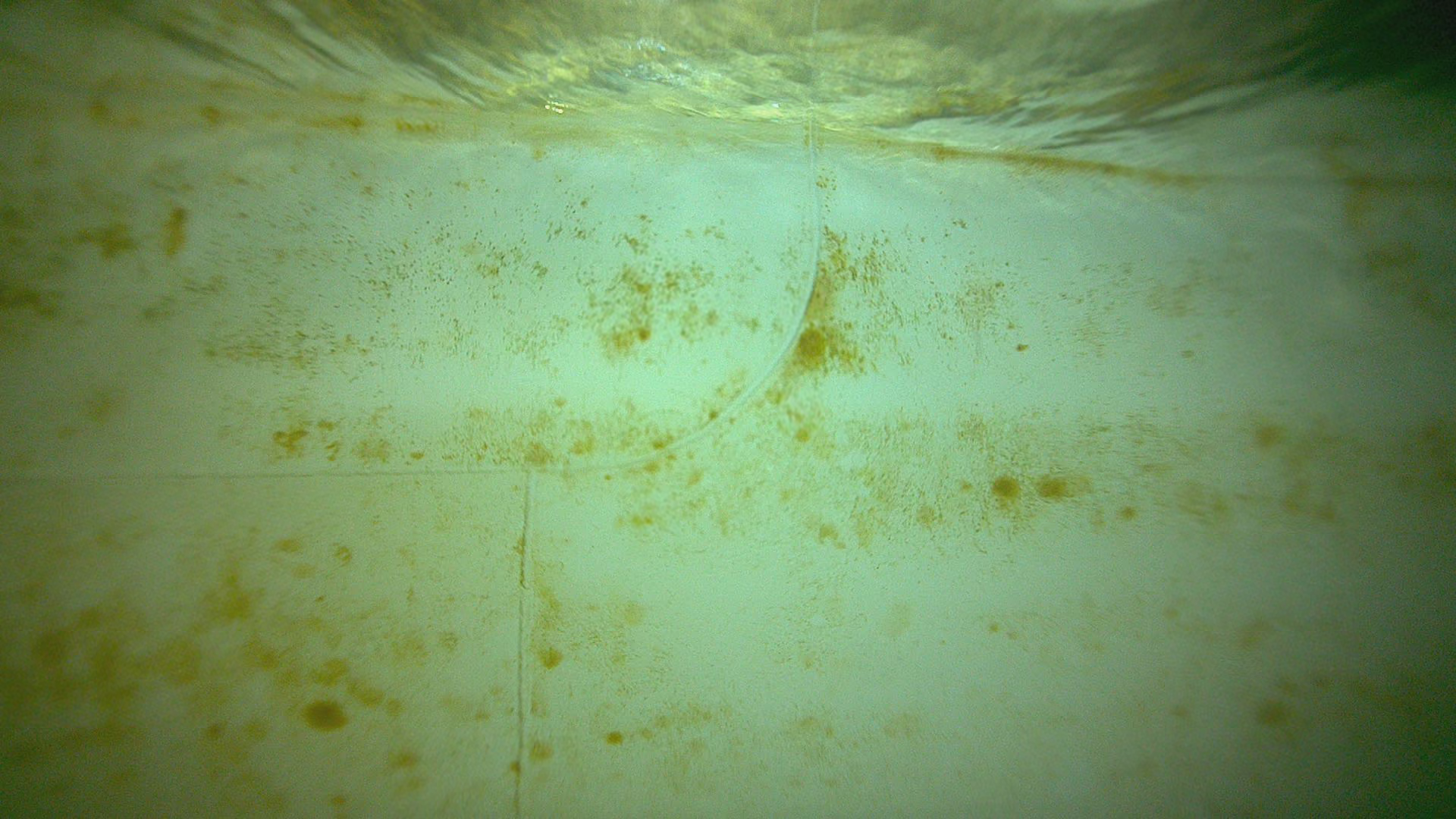
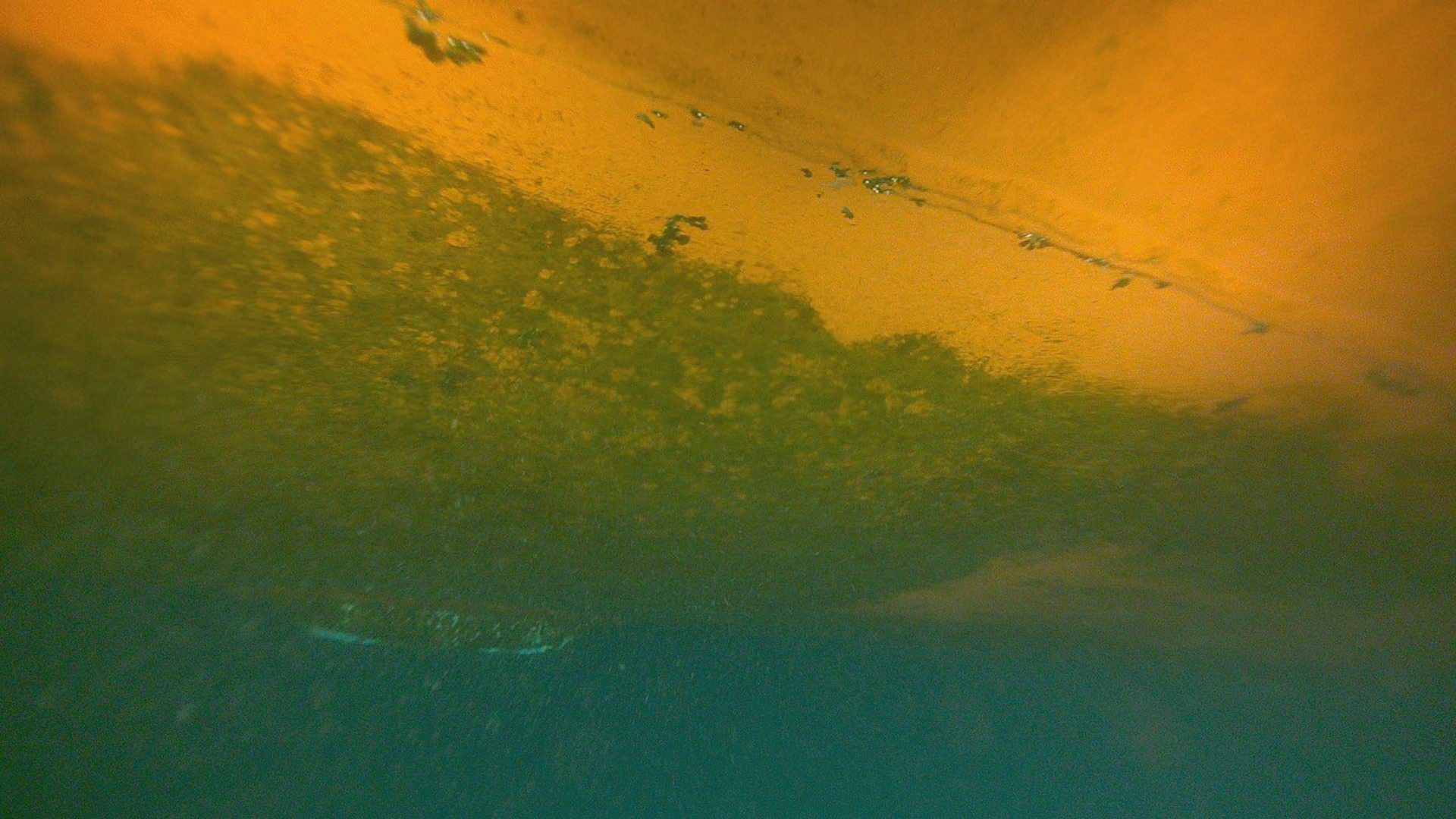
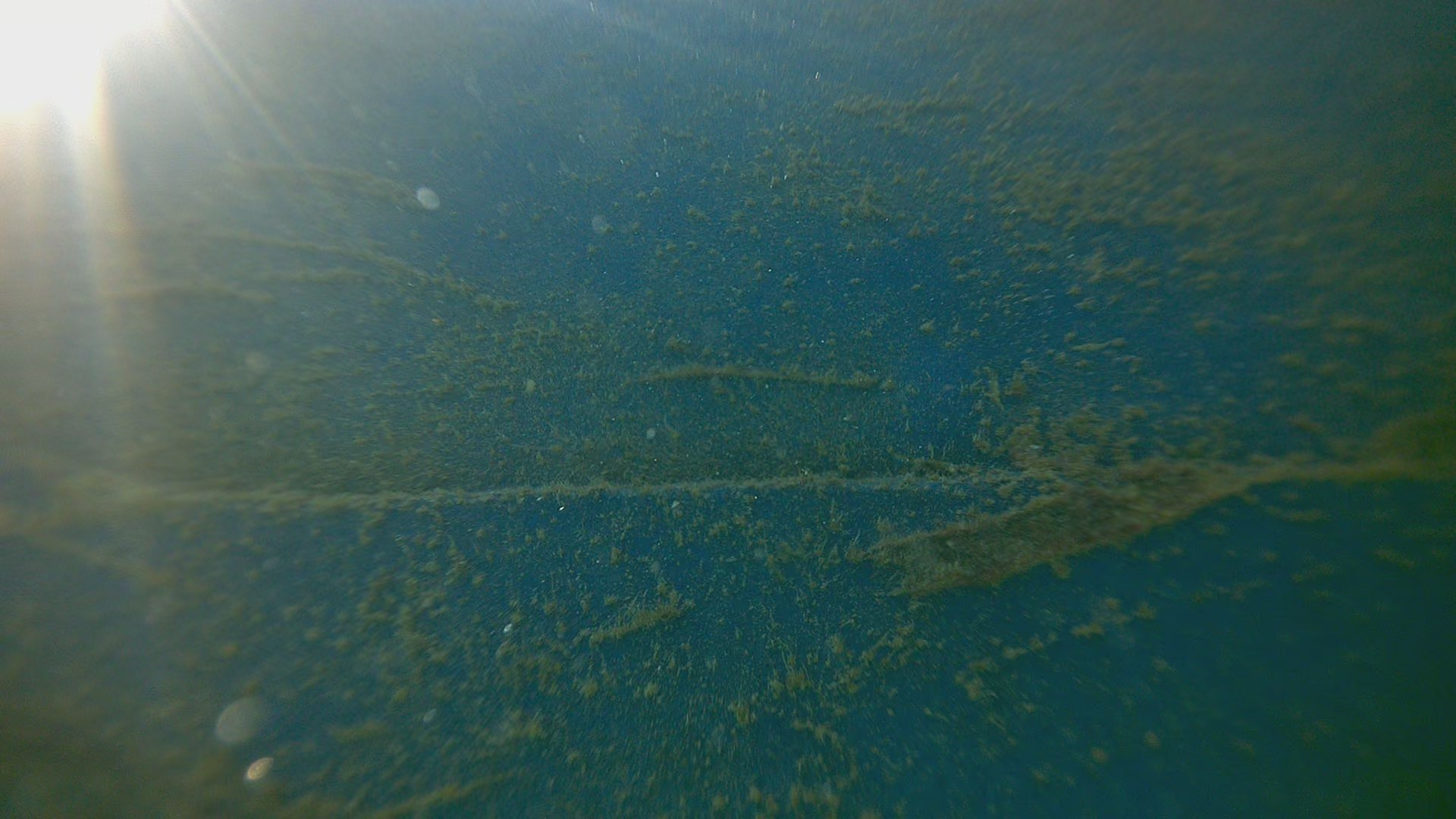
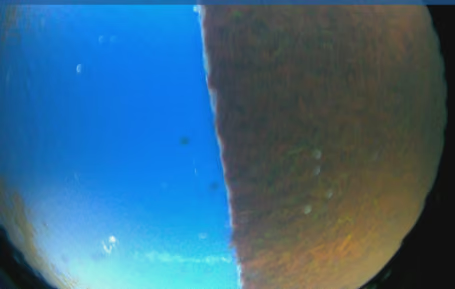
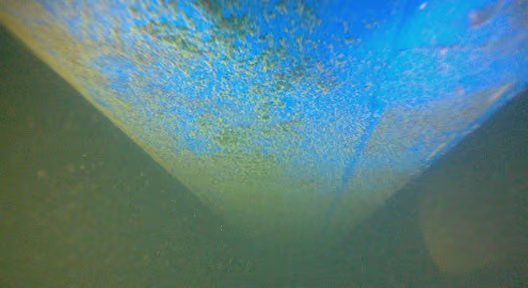

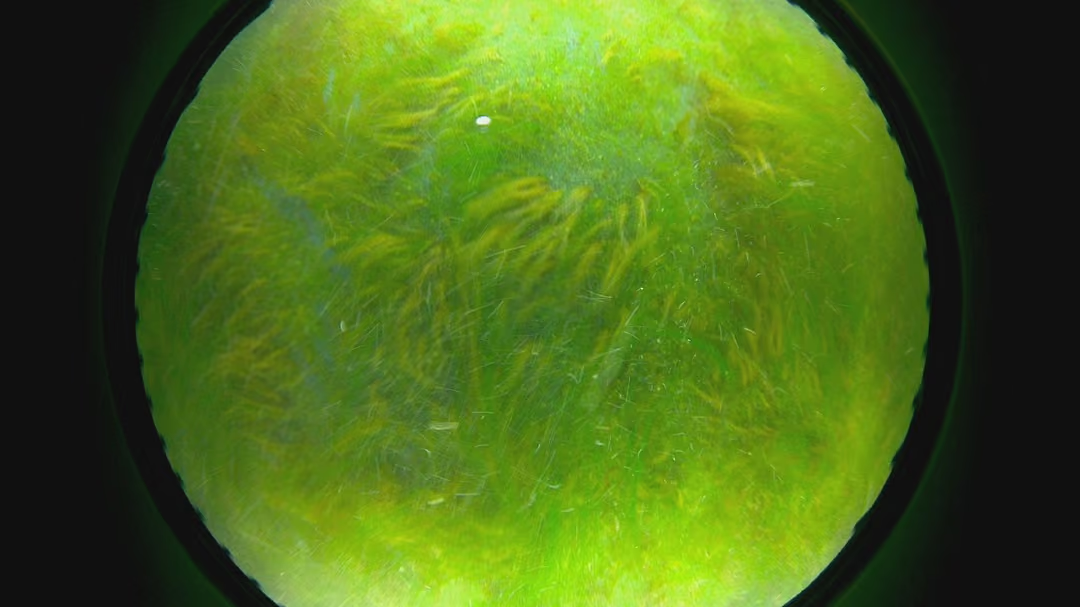

Slime creates drag. Drag creates resistance. Resistance means more fuel burned and more emissions released, for the same speed on the same route.

Just half a millimetre of slime is enough to drive a 10–25% increase in propulsive power demand and the associated fuel burn and emissions.*

Slime accumulation is logarithmic, not linear. The penalty accelerates the longer fouling is left untreated.
Every traditional hull cleaning solution removes fouling after it has already degraded vessel performance.

By the time fouling is visible, fuel costs have been rising for months. Heavy cleans are abrasive, take longer and never fully restore performance to baseline.

Fouling builds between cleans, keeping the hull in a sub-optimal condition for long periods and quietly inflating fuel costs.

Frequent gentle grooming removes slime before macrofouling forms. This keeps the hull at peak performance, minimises fuel burn and maximises coating life.
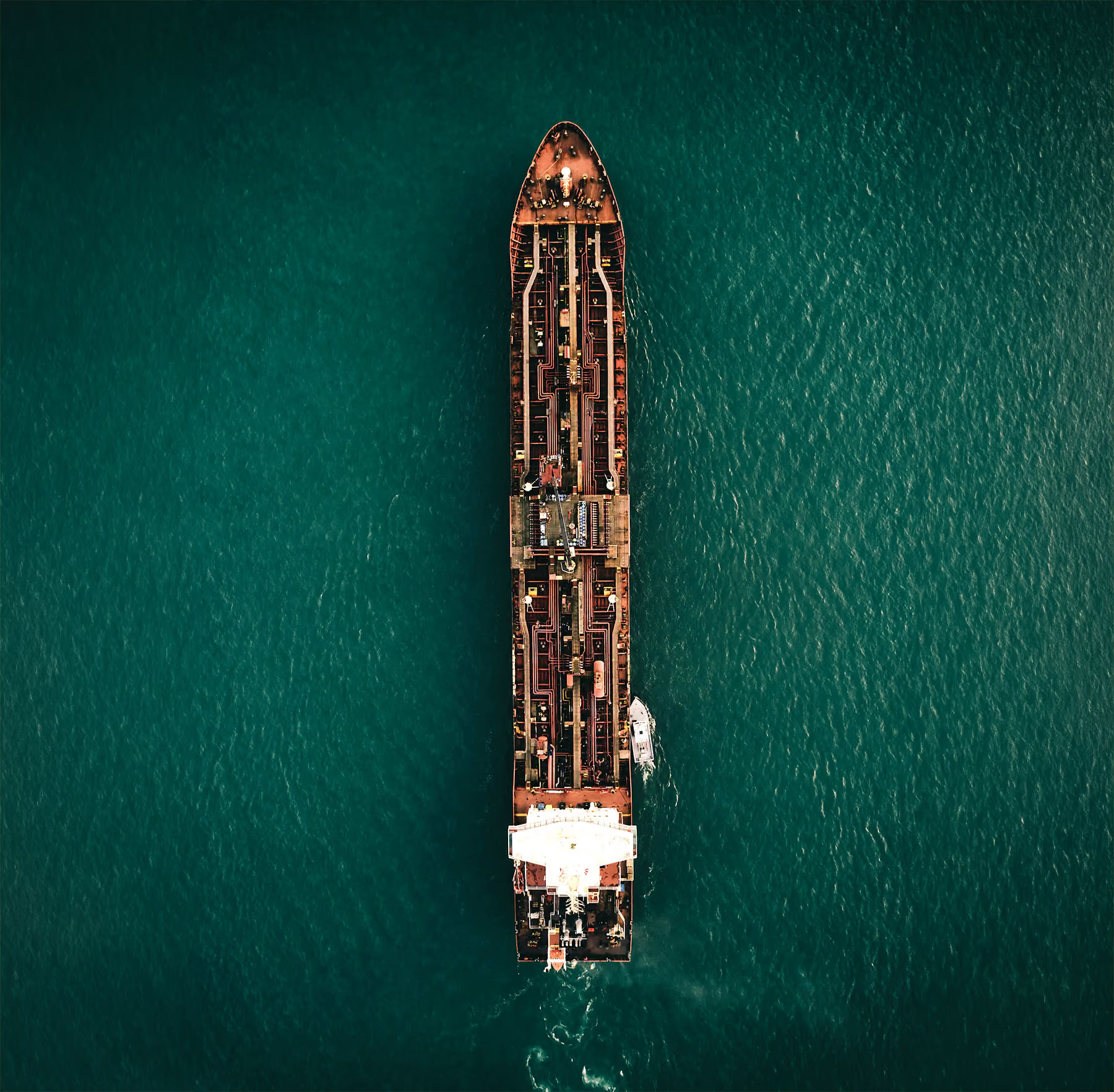

Slime drives a 10–25% increase in fuel spend and GHG output.

By preventing fouling from ever becoming heavy, frequent grooming keeps hull resistance close to its as-built baseline. Consistently. Not just immediately after a clean.

Grooming often means the gentlest cleaning method is possible. Waiting for macrofouling forces more abrasive cleaning, shortening coating lifespan.

Flawless hull condition protects Carbon Intensity Indicator (CII) ratings and ensures full compliance with IMO and in-country in-water cleaning regulations.

Continuous hull grooming prevents biofouling from being transferred between ports, protecting local ecosystems.