Overview
The NRMA Group is committed to cutting operational emissions by 30% by 2030 and reaching Net Zero by 2050. As part of its fleet decarbonisation strategy, NRMA Marine partnered with Hullbot to deploy autonomous, proactive hull grooming across its high speed passenger catamarans operating in Sydney Harbour.
By shifting from reactive diver scrubbing to frequent, automated micro-grooming, the fleet achieved an immediate 13% reduction in fuel consumption while completely eliminating diver risk and reducing harbour pollution.
The challenge: balancing high-speed schedules with hydrodynamic drag
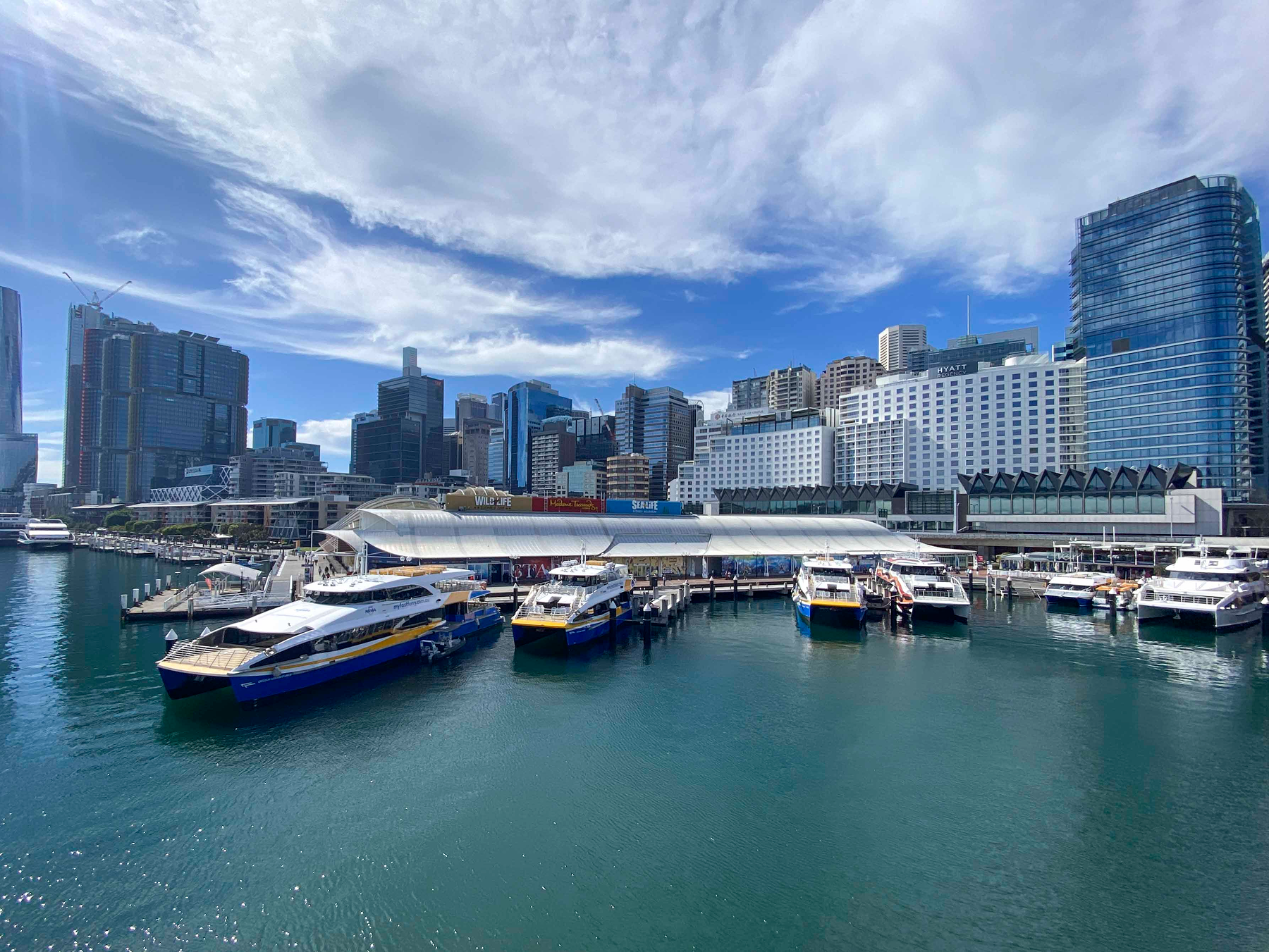
Operating high-speed ferry services on strict timetables requires optimal hydrodynamic efficiency. In warm coastal waters like Sydney Harbour, biofouling begins forming within days. Even microscopic slime layers create measurable skin friction drag, forcing engines to burn significantly more fuel to maintain operational speeds.
Traditional mitigation methods presented clear drawbacks:
- Diver-based scrubbing: Introduces safety risks, requires costly logistics, and causes schedule disruptions.
- Biocidal antifouling paints: Degrade over time, leach copper into urban waterways, and offer no protection against rapid microfouling between dry dockings.
NRMA Marine needed a scalable, diverless solution that could maintain clean hull surfaces continuously without affecting daily passenger runs.
The solution: integrated, autonomous hull grooming
Hullbot introduced a turnkey grooming program tailored specifically to the operational rhythm of the NRMA Manly Fast Ferry fleet.
- Rapid dual-robot deployment: During standard operational windows, technicians lower two lightweight (10kg) Hullbots into the water. One dedicated to each catamaran hull, allowing simultaneous cleaning of both hulls without extending turnarounds.
- Autonomous AI navigation: Guided by multi-angle 4K optical cameras, dedicated lighting, and high-precision sensors, the units autonomously navigate complex hull geometry to remove biofouling before it takes hold.
- Live inspection feeds: High-definition video streams live to onshore technicians, providing an audit-ready visual log of hull condition during every service.
- Proactive grooming schedule: Servicing vessels twice per week maintains permanent hydrodynamic baseline efficiency, removing the need for harsh abrasive scrubbing or toxic antifouling practices.

Measurable results & ROI
- 13% fuel reduction: Rigorous trial tracking across the diesel-powered fleet demonstrated an immediate 13% drop in fuel burn, delivering direct bottom-line savings and proportional Scope 1 carbon emission cuts.
- Proven operational seamlessness: The 10kg autonomous units integrated directly into quay-side routines without delaying departure times or requiring vessel removal from service.
- Environmental & ESG alignment: Removing thousands of liters of burned diesel pollution per vessel directly advances NRMA Group’s 2030 carbon reduction targets and protects marine ecosystems in Sydney Harbour.